
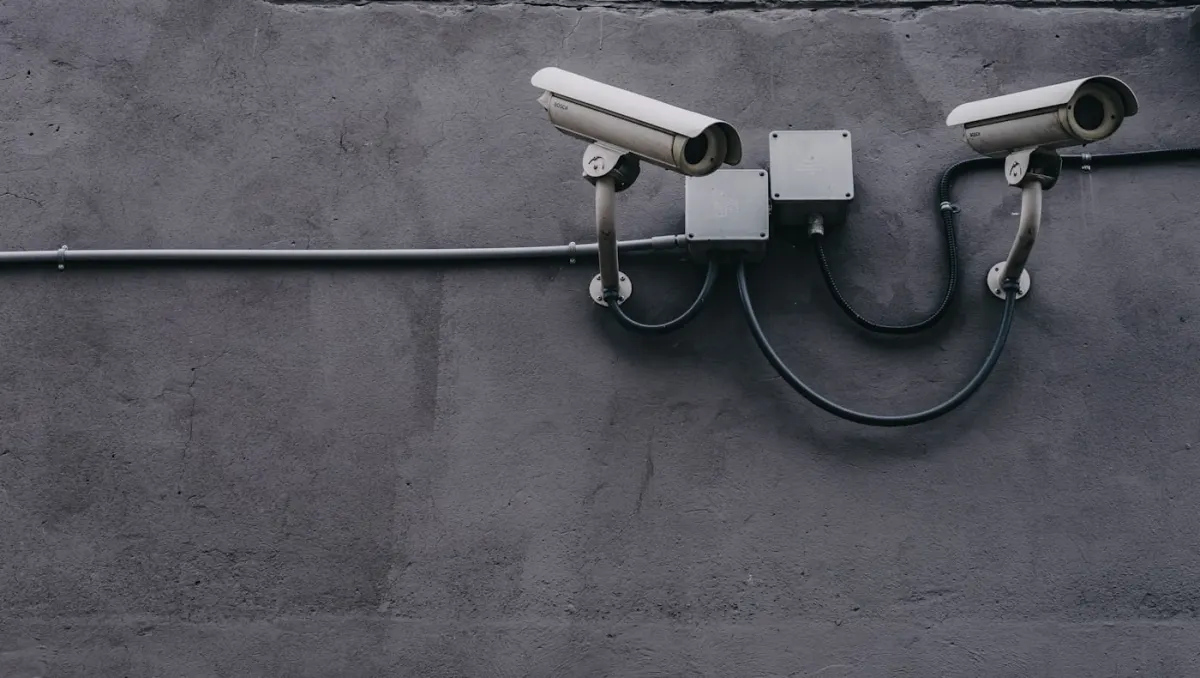
If you are asking whether you need CCTV at home, the answer depends on your property, your security concerns and how much visibility you want when you are not there. CCTV can be a useful way to deter intruders, monitor entrances, check deliveries, protect vehicles and gather evidence if something happens.
The key is choosing a system that suits your home, rather than buying cameras without a plan. A good home CCTV setup should cover vulnerable areas, respect privacy rules and be simple enough for you to use confidently.
The Quick Answer For Homeowners Considering CCTV
You may benefit from home CCTV if you want to monitor doors, driveways, gardens, garages, side access routes or outbuildings. It can be especially useful if you have had security concerns, live on a busy road, keep vehicles on your drive, receive regular deliveries or want remote access while away from home.
CCTV is not essential for every property, but it can provide peace of mind when it is planned properly. The most important decisions are where cameras should go, whether you need indoor or outdoor coverage, whether you want smartphone viewing and how to avoid recording areas you should not.
What Home CCTV Actually Does
Home CCTV uses security cameras to record or stream footage from around your property. Systems can range from a single video doorbell to a full multi-camera setup covering front, rear and side access.
Modern CCTV systems often allow you to view live footage through a smartphone app, receive motion alerts and review recordings after an event. Some systems store footage locally through a recorder, while others use cloud storage.
For most homeowners, CCTV is used to:
- Monitor entrances and access points
- Deter theft, trespassing and vandalism
- Check visitors and deliveries
- Keep an eye on vehicles, garages and sheds
- Review footage if an incident occurs
- Gain reassurance when away from home
CCTV works best when it forms part of wider home security, alongside good locks, lighting, secure gates and sensible daily habits.
Signs CCTV Could Be Worth It For Your Home
CCTV is most useful when there is a clear reason for installing it. Before buying cameras, think about what you are trying to solve.
You Have Vulnerable Entry Points
Homes with side gates, rear alleys, detached garages, shared access routes or hidden entrances may benefit from external cameras. These areas can be difficult to see from inside the house, especially at night.
You Keep Vehicles On The Drive
If you park a car, van, motorbike or work vehicle outside, CCTV can help monitor your driveway and provide useful footage if damage, theft or suspicious activity occurs.
You Travel Or Work Away
Smart CCTV can be useful if your home is empty during the day or you spend time away. Remote access allows you to check your property without relying on neighbours or guesswork.
You Want Extra Reassurance
Sometimes the benefit is simply peace of mind. If a camera system helps you feel safer and more in control, it may be a worthwhile investment when installed responsibly.
When CCTV Might Not Be The First Priority
CCTV is helpful, but it is not always the first thing to install. If your doors, windows, locks or outdoor lighting are poor, those basics may need attention first.
Cameras record activity, but they do not physically stop someone from entering. A strong home security setup usually combines:
- Secure door and window locks
- Outdoor lighting
- Clear sightlines around entrances
- Locked gates and sheds
- A suitable alarm system, where needed
- CCTV positioned in the right places
If you are improving your home step by step, start with the weakest areas first. CCTV can then add visibility and evidence on top of those physical security measures.
Types Of Home Security Cameras To Consider
Choosing the right CCTV system depends on your property layout, budget and how you want to use it.
Wired CCTV Cameras
Wired CCTV systems are connected through cables, often to a central recorder. They are usually reliable and well suited to homeowners who want a stable setup with multiple cameras.
The main advantage is consistency. The main downside is that installation can be more involved, especially if cables need to be routed neatly around the property.
Wireless CCTV Cameras
Wireless cameras connect using Wi-Fi, although they may still need power. They are often easier to place than wired cameras, but their performance depends on signal strength and internet reliability.
They can work well for smaller homes, but they may not always be ideal for larger properties, thick walls or outbuildings with weak Wi-Fi.
Video Doorbells
Video doorbells are popular for monitoring visitors and deliveries. They can be useful at the front of a property, but they do not provide full home coverage on their own.
They are best treated as one part of a wider security setup rather than a complete CCTV solution.
Indoor Cameras
Indoor cameras are usually used to monitor entrances, pets, vulnerable family members or specific rooms. They should be used carefully and only where they respect the privacy of everyone in the home.
Outdoor Cameras
Outdoor cameras are designed to handle weather conditions and monitor external areas such as doors, driveways, gardens and garages. For most homeowners considering CCTV, outdoor coverage is the main priority.
Where Should CCTV Cameras Be Installed At Home?
Camera positioning matters more than the number of cameras. A poorly placed camera may miss the event you care about, while a well-positioned camera can cover a key area clearly.
Common home CCTV locations include:
Avoid placing cameras too high, too low or directly into bright light. Cameras should be positioned where they capture useful detail, not just a wide but unclear view.
Lighting is also important. Secured by Design notes that CCTV design should work alongside lighting so image quality is suitable for the area being monitored. Homeowners should also consider whether night vision is needed for darker areas.
Privacy Rules Homeowners Should Know
Home CCTV must be used responsibly. In the UK, domestic CCTV is usually straightforward if your cameras only capture your own property. However, if cameras record beyond your boundary, such as a neighbour's garden, shared space or public pavement, data protection responsibilities may apply.
The Information Commissioner's Office advises homeowners to try to point cameras away from other people's property, public areas or communal spaces where possible. It also recommends considering how intrusive recording is and using privacy filters or blockers where appropriate.
Before installing cameras, ask:
- Will the camera record only my property?
- Could it capture a neighbour's window, garden or driveway?
- Could it record a public pavement or road?
- Is the camera angle wider than necessary?
- Do I need signs to make people aware CCTV is in use?
- Can privacy masking be applied?
For more detailed guidance, visit the official ICO home CCTV guidance and the UK Government's domestic CCTV guidance.
Common Mistakes When Choosing Home CCTV
A lot of CCTV problems happen because the system was chosen too quickly. The best system is not always the one with the most cameras or the highest advertised specification.
Common mistakes include:
- Buying cameras before planning positions
- Choosing wireless cameras without checking Wi-Fi strength
- Installing cameras too high to capture useful detail
- Forgetting about night-time visibility
- Recording neighbours or public areas unnecessarily
- Not knowing how footage is stored
- Choosing a system that is too complicated to use
- Ignoring cable routes and power supply
- Assuming one camera will cover everything
Before buying anything, walk around your property and list the areas you actually want to monitor. That simple step can prevent wasted money and poor coverage.
What Features Are Worth Looking For?
Not every CCTV feature is essential. Focus on what will make the system more useful day to day.
Useful features may include:
- Clear HD or higher-resolution footage
- Night vision
- Motion detection
- Smartphone viewing
- Weather-resistant outdoor cameras
- Secure recording and storage
- Two-way audio, where useful
- Privacy masking
- Reliable app access
- Expandable camera options
For most homes, clarity, positioning and ease of use matter more than having the most advanced system available.
How Many Cameras Does A Home Need?
There is no single answer. A small terraced house may only need one or two cameras, while a detached home with a driveway, garage and side access may need more.
A practical starting point is to cover:
- The main entrance
- The rear entrance
- The driveway or vehicle area
- Any hidden side access
The goal is not to cover every inch of the property. The goal is to cover the areas where activity is most likely and where footage would be most useful.
When To Ask A Professional For Help
You do not always need professional support, but it can make a big difference when the installation is more complex.
Consider getting help if:
- You want cameras fitted outside
- You need several cameras
- You are unsure about camera angles
- You want cables hidden neatly
- You are worried about privacy rules
- Your property has awkward access points
- You want the system set up and tested properly
For homeowners in Walsall and the wider West Midlands, Boxit Logistics provides practical CCTV installation support for homes and businesses, helping customers choose suitable camera positions, install systems neatly and understand how to use them.
Frequently Asked Questions
Is Home CCTV A Good Idea?
Home CCTV can be a good idea if you want to monitor entrances, driveways, gardens or other vulnerable areas. It is most effective when used alongside good locks, lighting and sensible security habits.
Can I Install CCTV Myself?
Yes, some simple CCTV systems can be installed yourself. However, outdoor cameras, multi-camera systems and wired setups often benefit from professional installation.
Can My CCTV Record The Street?
It is best to avoid recording public spaces unless necessary. If your cameras capture areas beyond your property boundary, you may have data protection responsibilities. Check the ICO guidance before installing.
Do Security Cameras Work At Night?
Many modern cameras include infrared night vision or low-light recording. However, camera quality, lighting and positioning all affect how clear the footage will be.
What Is Better, Wired Or Wireless?
Wired CCTV is often more stable, while wireless CCTV can be easier to install. The better choice depends on your property, internet signal, camera locations and how many cameras you need.
Final Thoughts, Do You Really Need CCTV At Home?
You may not need CCTV at home, but it can be a very useful addition if you want better visibility, stronger deterrence and greater peace of mind. The best results come from planning the system properly, choosing the right cameras and positioning them where they provide genuinely useful coverage.
If you are considering CCTV and want practical advice before making a decision, Boxit Logistics can help with professional home CCTV installation, including camera positioning, setup and guidance on how to use your system confidently.
Get in Touch Today